Community-Based Care: A Modern Approach to Elderly Well-being


Understanding Community-Based Care
Community-based care is an innovative approach to elderly well-being that emphasizes the importance of social connections and local resources. This model focuses on delivering personalized care within the community, allowing seniors to maintain their independence while receiving the support they need.
Unlike traditional nursing homes, community-based care leverages local networks and services to provide a more holistic and comfortable environment for the elderly. It not only addresses physical health needs but also caters to emotional and social aspects.
The Benefits of Community-Based Care
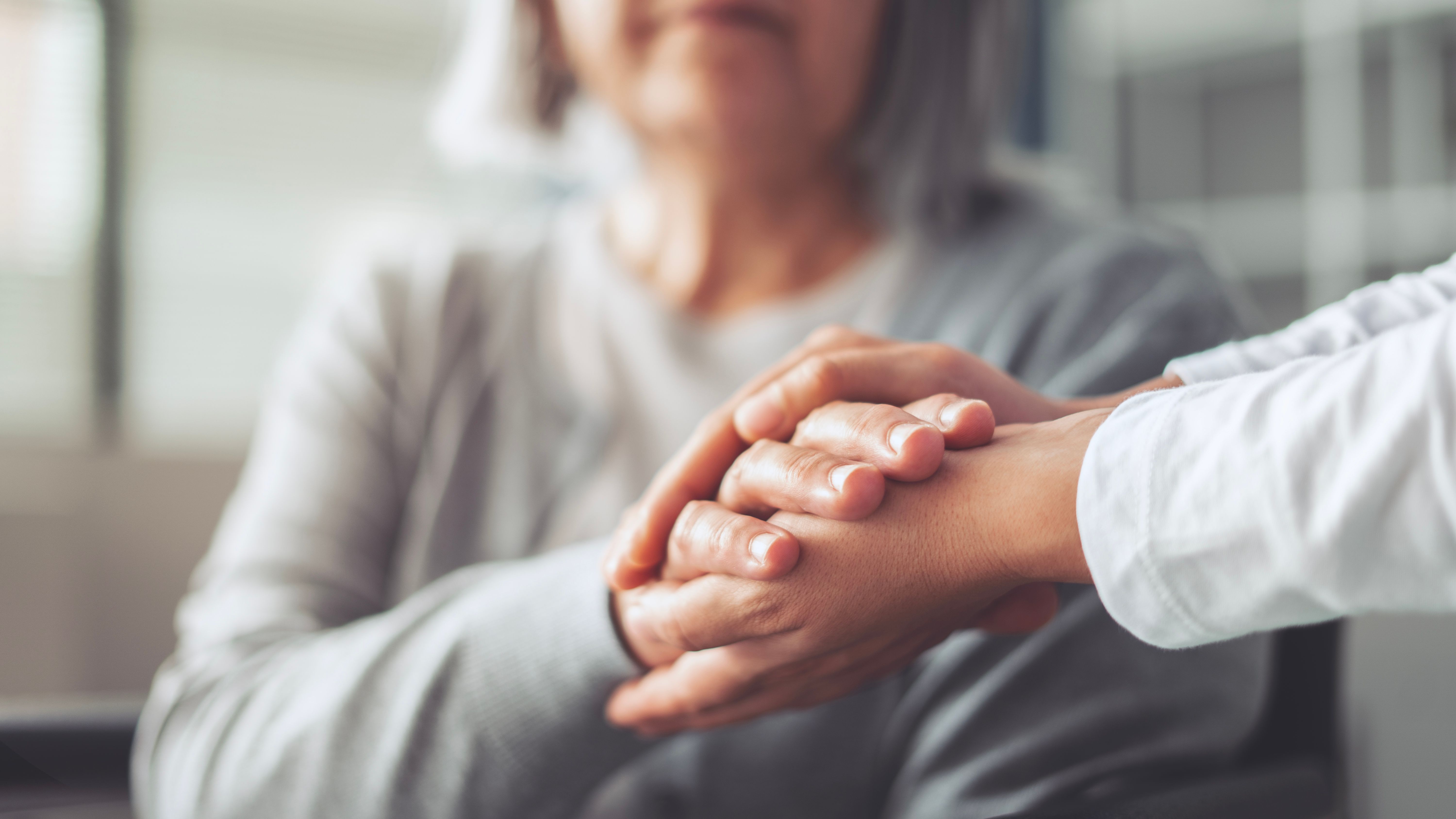
One of the primary advantages of community-based care is the ability to tailor services to individual needs. This personalized approach ensures that seniors receive the right level of support without compromising their autonomy.
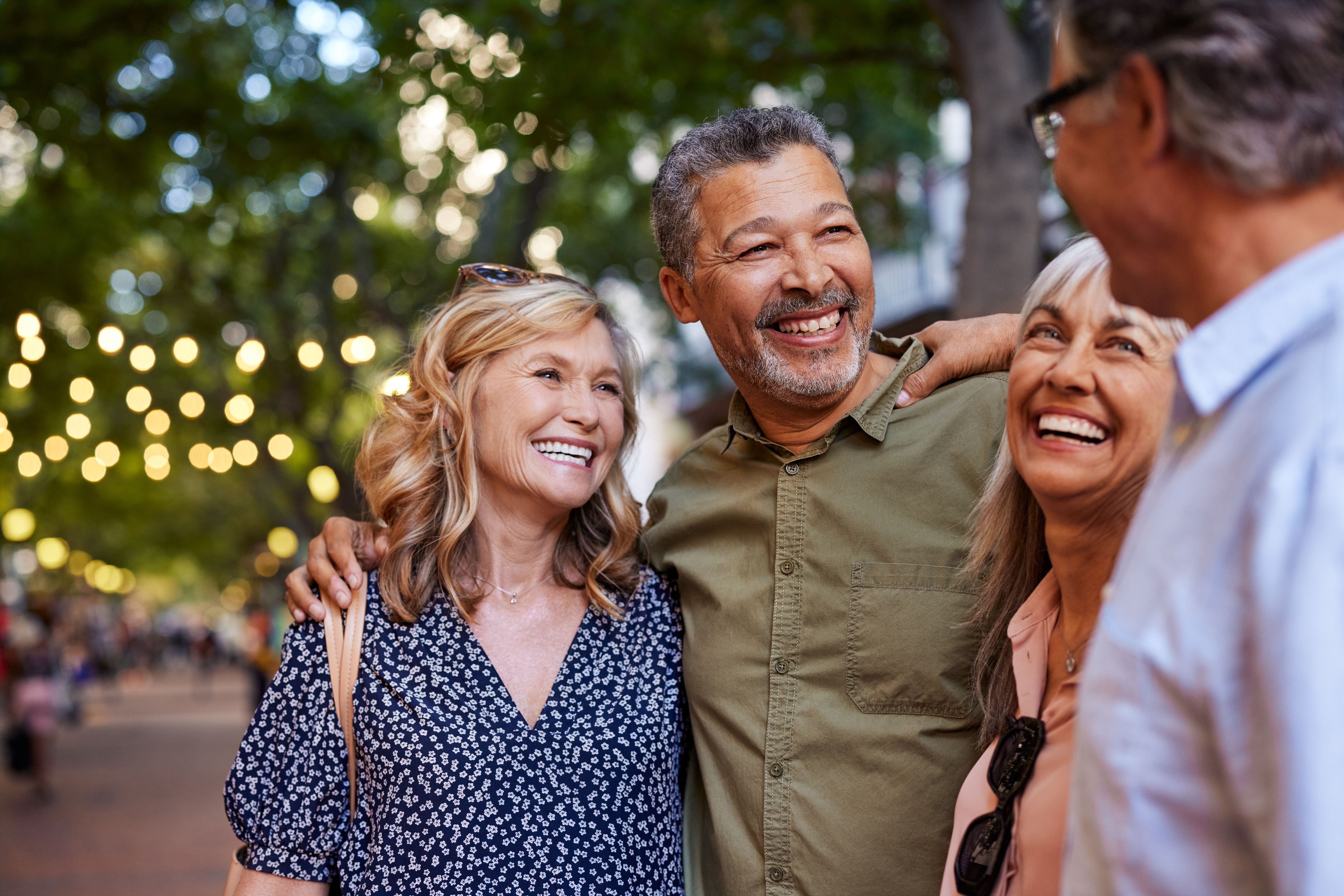
Moreover, community-based care promotes social engagement by integrating seniors into community activities. This interaction helps reduce feelings of isolation and loneliness, which are common issues among the elderly.
Components of Community-Based Care
Community-based care includes a range of services such as:
- Home health care
- Transportation services
- Meal delivery programs
- Social and recreational activities
These services are designed to support the elderly in their daily lives, enabling them to live comfortably within their own homes and communities.
The Role of Technology
Technology plays a significant role in enhancing community-based care. Innovations such as telehealth and remote monitoring allow healthcare providers to deliver efficient care without the need for constant physical presence.
Additionally, digital platforms facilitate better communication between caregivers, seniors, and their families, ensuring everyone is informed and involved in the care process.

Challenges and Considerations
While community-based care offers numerous benefits, it is not without challenges. Ensuring adequate funding and resources can be a major hurdle, as can coordinating between various service providers.
It's essential to address these challenges by fostering collaboration between government bodies, healthcare providers, and community organizations to create a sustainable model for elderly care.
The Future of Elderly Care
As the population ages, the demand for community-based care is expected to grow. This approach represents a shift towards more compassionate and inclusive elderly care that prioritizes well-being and quality of life.
By embracing this model, communities can ensure that their elderly members continue to thrive, supported by a network that truly understands their needs.